


Views: 0 Author: Site Editor Publish Time: 2026-09-30 Origin: Site
Facility engineers and safety managers constantly face the challenge of compartmentalizing fire zones, protecting structural assets, and securing personnel egress routes where physical firewalls are impossible to install. Standard fire suppression systems often fail to prevent the transmission of radiant heat and smoke across these open architectural spaces. Engineered water curtain systems provide a dynamic, non-structural barrier to solve this exact problem. This guide details the mechanics, application criteria, and technical evaluation frameworks required to specify the correct water curtain nozzle for complex fire protection systems. We will cover fluid dynamics, deployment environments, and the exact specifications needed to ensure your facility meets strict life-safety codes without compromising operational layouts.
Defining a successful thermal and smoke barrier in an open-plan setting requires precise engineering. A functional barrier must absorb intense radiant heat, halt flame spread, and maintain continuous structural integrity against building drafts. Standard sprinklers distribute water in a circular pattern to wet combustibles directly below them. Conversely, a fire water curtain nozzle projects a directional, flat sheet of water. This creates a vertical or horizontal shield separating a hazard from an exposed asset.
The internal geometry of a wall barrier nozzle dictates its field performance. Machined deflector plates or specially contoured orifices shape the pressurized water stream. As water exits the orifice, it strikes the deflector. This impact forces the fluid to fan out into a continuous, wide-angle sheet. In the field, we rely on this specific geometry to prevent gaps in the water pattern.
This flat sheet performs two primary physical functions. First, it absorbs radiant heat. Radiant heat flux is measured in kilowatts per square meter (kW/m²). A severe industrial fire easily generates over 100 kW/m², while human skin suffers burns at just 5 kW/m². Water possesses a high specific heat capacity and latent heat of vaporization. As radiant energy hits the water curtain, droplets absorb the energy and convert into steam. This phase change consumes massive amounts of thermal energy. Second, the curtain provides smoke particulate encapsulation. The dense concentration of water droplets physically blocks and cools smoke. It forces hazardous particulates to drop out of the air before they cross the separation zone.
Engineers must choose between low-pressure and high-pressure systems based on the specific hazard profile and available water supply. Each system behaves differently under live fire conditions.
| System Type | Operating Pressure | Droplet Size | Primary Advantage | Ideal Application |
|---|---|---|---|---|
| Standard Deluge | 20 - 60 PSI | Large (1000+ microns) | Resists strong thermal updrafts and wind deflection. | Heavy industrial plants, outdoor transformers, conveyor belts. |
| Water Mist Curtain | 100 - 1000 PSI | Micro (under 100 microns) | Maximizes surface area for rapid steam conversion and cooling. | Indoor commercial atriums, marine vessels, areas with limited water supply. |
Standard deluge systems deliver high volumes of water. Large droplets possess the mass required to resist strong thermal updrafts generated by massive fire loads. Water mist systems force water through micro-orifices to generate extremely fine droplets. Greater surface area allows for rapid heat absorption. Water mist systems achieve effective thermal barriers with lower overall water consumption, but they are highly susceptible to HVAC drafts.
Water curtains deploy through either permanent infrastructure or manual tactical operations. Fixed deluge piping utilizes open nozzles attached to a dry piping network. Heat, smoke, or optical flame detectors trigger a central deluge valve. Once activated, water floods the piping and discharges simultaneously from all nozzles. We typically install these using Schedule 40 steel pipe with heavy-duty hanger supports to handle the sudden reaction force of the water discharge.
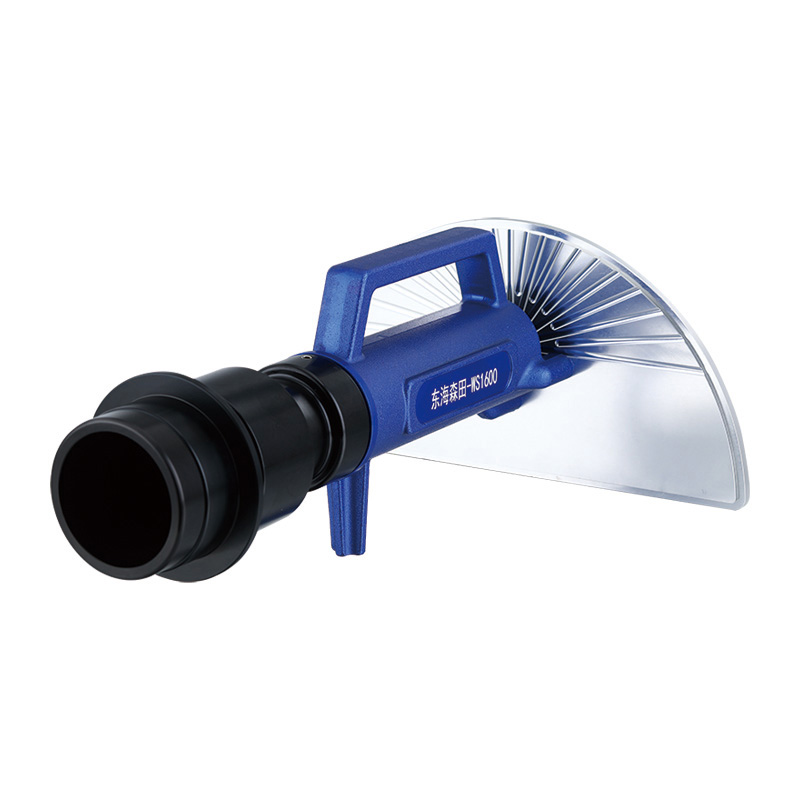
During manual operations, firefighting personnel use specialized equipment. Operators deploy a specific fire hose nozzle designed to create a temporary water barrier. This tactical deployment protects advancing personnel from extreme radiant heat during rescue or suppression operations. Ground monitors equipped with fan-pattern tips serve a similar function for exposure protection.
Water curtain systems serve diverse industries. They provide critical protection where architectural constraints or operational requirements prohibit standard firewalls. Field installation requires adapting the system to the specific environmental challenges of each sector.
Heavy industrial sites contain massive, concentrated fire loads. Engineers deploy water curtains to protect exposed steel structures from yielding under extreme heat. Unprotected steel loses its structural integrity at around 1,000°F (538°C). A properly designed water curtain keeps the steel well below this critical threshold. We also isolate high-voltage transformers to prevent cascading electrical grid failures. Flammable liquid storage tanks require exposure protection to prevent boiling liquid expanding vapor explosions (BLEVE).
Conveyor belts in mining or manufacturing act as high-speed fire vectors. Water curtains installed at conveyor wall penetrations stop fires from traveling between buildings. We interlock the deluge valve with the conveyor motor control center. When the detector trips, it dumps water and shuts down the belt simultaneously. These systems often integrate with broader industrial firefighting nozzle networks for comprehensive, automated site coverage.
Modern architectural designs favor large, open spaces. Atriums, shopping mall concourses, and theater stages lack physical compartmentalization. Water curtains replace physical fire doors in these wide architectural openings. They allow for unobstructed daily foot traffic while providing an active fire barrier during emergencies. Draft curtains are often installed at the ceiling level to bank the heat and ensure rapid detector activation.
Basement parking structures present severe fire risks. Modern vehicles contain extensive plastics and volatile fluids. Electric vehicle lithium-ion battery fires burn with intense, sustained heat. Low ceilings trap this heat, leading to rapid thermal runaway. Water curtains compartmentalize these parking zones. They contain vehicle fires to specific grids and prevent thermal propagation to adjacent vehicles.
Space is strictly limited on marine vessels and offshore oil rigs. Structural compartmentalization adds excessive weight. Water curtains create safe muster areas for crew evacuation. They protect primary egress routes and lifeboat boarding stations from extreme radiant heat generated by wellhead fires or fuel spills. The highly corrosive saltwater environment dictates strict material requirements for all piping and discharge devices.
Specifying the correct nozzle requires rigorous hydraulic analysis. Engineers must match nozzle performance data to the specific environmental hazards. Guesswork during the design phase leads to catastrophic failure during a fire event.
The K-factor represents the discharge coefficient of the nozzle. It dictates the volume of water discharged at a specific pressure using the formula Q = K * √P (where Q is flow in GPM, and P is pressure in PSI). Engineers calculate the required water volume to maintain barrier integrity against anticipated fire loads. A severe hydrocarbon fire requires a denser water sheet than a standard commercial combustible fire.
Facility engineers must balance K-factor specifications with existing water supply limitations. Selecting nozzles with excessively high K-factors can overwhelm the facility fire pumps. If you install ten K-8.0 nozzles operating at 50 PSI, the system demands roughly 560 GPM. You must ensure your fire pump can handle that demand on top of the regular overhead sprinklers. Failure to account for this causes dangerous pressure drops across the entire suppression system.
The spray angle determines the width of the water sheet. Typical angles range from 120° to 180°. A 180° angle provides wide coverage but reduces the density of the water sheet at the outer edges. A 120° angle offers a narrower, denser barrier. We select the angle based on the ceiling height and the required width of the opening.
Nozzle spacing and overlap calculations are critical. System pressure dictates the total number of nozzles required. Engineers design systems with specific overlap percentages—typically 10% to 15% at the floor level—to prevent dangerous gaps in the water curtain. If nozzles are spaced too far apart, radiant heat will penetrate the weak points between the spray patterns.
Mounting orientation impacts the water trajectory. Vertical mounting drops water straight down, utilizing gravity to maintain sheet integrity. Horizontal mounting projects water across an opening. Horizontal trajectories are highly susceptible to wind deflection and HVAC drafts. Engineers must account for environmental airflows when calculating horizontal spray reach.
Material selection directly impacts system longevity and reliability. The operating environment dictates the required metallurgy. Installing the wrong material leads to rapid corrosion, orifice blockage, and system failure.
| Material Type | Primary Characteristics | Ideal Deployment Environments |
|---|---|---|
| Standard Brass | Cost-effective, excellent machinability, standard corrosion resistance. | Commercial buildings, basement parking, standard indoor warehouses. |
| Stainless Steel (304/316) | High tensile strength, superior resistance to chemical corrosion and oxidation. | Chemical processing plants, food and beverage facilities, pharmaceutical labs. |
| Specialized Alloys (e.g., Monel, Titanium) | Maximum resistance to saltwater corrosion and extreme industrial chemicals. | Offshore oil platforms, marine vessels, coastal industrial facilities. |
Procuring life-safety equipment requires strict vendor vetting. The reliability of a fire nozzle manufacturer determines the efficacy of the entire suppression system. You cannot compromise on testing and certification.
Third-party testing is non-negotiable. Procurement teams must verify UL listings and FM approvals for specific nozzle models. These testing laboratories subject nozzles to rigorous evaluations. They test for flow consistency, spray pattern integrity, and thermal resistance under extreme conditions.
Engineers must ensure the manufacturer's performance data aligns with NFPA 15 (Standard for Water Spray Fixed Systems for Fire Protection). The manufacturer must provide certified flow curves and discharge coefficient data. Unverified equipment introduces unacceptable liability and safety risks. If a vendor cannot produce a valid FM approval certificate for the specific orientation you intend to use, disqualify them immediately.
Complex industrial environments often require a specialty fire nozzle. Assess a vendor’s ability to provide custom K-factors tailored to specific hydraulic limitations. Verify their capacity to machine specific thread types, such as NPT or BSPT, to match regional piping standards.
Evaluate the manufacturer's technical support infrastructure. Premium vendors provide engineering assistance for hydraulic calculations. They offer spacing recommendations based on empirical testing data. They help validate system designs before installation, ensuring the final configuration meets all regulatory requirements and performs as expected during a flow test.
Deploying a water curtain system involves complex engineering trade-offs. Anticipating implementation risks ensures long-term operational readiness and prevents secondary damage to the facility.
The primary conceptual trade-off is water supply versus efficacy. Deploying a highly effective, dense water curtain demands massive water volumes. This creates a risk of rapidly depleting the facility's fire water reserves. Engineers must calculate the exact duration the curtain must operate to allow for safe evacuation or municipal fire department arrival. You must size the water storage tanks to handle the combined demand of the curtain and the overhead sprinklers for the required duration.
Hydraulic overload poses a severe threat. When the deluge valve activates, the sudden demand can cause pressure drops across the broader fire suppression system. This starves other critical sprinkler zones of necessary water pressure, allowing the fire to spread in unprotected areas.
Clogging and debris threaten system integrity. Open nozzles, particularly in high-pressure mist systems, feature small orifices. Sediment, scale, or biological growth in the fire water supply can easily obstruct these orifices. A single clogged nozzle creates a fatal gap in the thermal barrier. We frequently see this issue in systems drawing from raw water sources like ponds or rivers.
Drainage and flooding cause secondary damage. A standard deluge activation discharges thousands of gallons of water per minute. Without adequate drainage, this volume causes severe flooding. It damages equipment, ruins inventory, and extends operational downtime long after the fire threat passes. I have seen facilities flood adjacent electrical rooms because they failed to account for the runoff volume during a routine flow test.
Install heavy-duty inline strainers upstream of the deluge valve. Specify strainer mesh sizes strictly smaller than the smallest nozzle orifice in the system. This prevents debris from reaching the discharge points. Implement strict maintenance schedules to flush the piping network regularly and clean the strainer baskets.
Engineer adequate floor drainage or containment systems directly beneath the separation zones. Size the trench drains to handle the maximum theoretical discharge rate of the deluge system. Ensure the floors are properly sloped to direct water away from critical assets.
Conduct rigorous hydraulic modeling prior to installation. Use advanced fluid dynamics software to simulate system activation. Analyze pressure nodes to ensure the water curtain integrates safely with existing sprinkler grids and manual hose stations without causing hydraulic starvation.
Water curtain nozzles serve as indispensable engineered components for environments where physical firewalls are impractical. They offer proven radiant heat mitigation, critical asset protection, and effective smoke compartmentalization. Proper implementation allows facilities to maintain open architectural designs while adhering to strict life-safety requirements.
Base your final selection on a strict alignment between the site's hydraulic capacity, environmental corrosivity, and the specific thermal threat. Prioritize nozzles with verified K-factors and appropriate spray angles to ensure seamless pattern overlap. The integrity of the barrier relies entirely on continuous, uninterrupted water delivery.
A: A standard sprinkler distributes water in a circular, umbrella-like pattern to suppress a fire directly below it. A water curtain nozzle projects a flat, directional sheet of water. This sheet creates a vertical or horizontal barrier designed specifically to block radiant heat and smoke transmission across an open space.
A: Consumption varies significantly based on the nozzle's K-factor, operating pressure, and the total length of the curtain. High-volume deluge systems can consume thousands of gallons per minute. This requires robust, dedicated water supplies, properly sized fire pumps, and extensive floor drainage infrastructure.
A: While it does not extinguish the primary fire source, a properly designed water curtain prevents fire propagation. It absorbs intense radiant heat, cools adjacent combustible materials, and physically blocks flame transfer across the designated barrier line, keeping the fire contained to its original zone.
A: Routine maintenance includes visual inspections for external corrosion and checking for physical orifice obstructions. Technicians must verify the integrity of inline strainers, clean out debris, and conduct periodic flow tests. This ensures the deluge valve and nozzles operate at the exact designed pressure.
A: They are not universally required for all buildings. However, they are frequently specified as alternative compliance methods under NFPA codes (such as NFPA 13 or NFPA 15). Engineers use them when architectural designs or operational needs prevent the use of standard fire-rated walls or doors.
A: Fixed water curtains operate on dedicated deluge piping networks. However, firefighters also use specialized manual nozzles during live operations and training drills. These manual nozzles allow crews to create temporary, portable water curtains for tactical heat protection during active suppression.


