
Views: 0 Author: Site Editor Publish Time: 2026-06-11 Origin: Site
Drafting water from an unpressurized source demands flawless equipment every single time. A collapsed or ruptured suction hose halts firefighting operations immediately. You cannot afford vacuum failures during critical incidents. Procurement teams and fire chiefs face a difficult choice daily. They must carefully balance deployment speed against equipment survival in harsh environments. Abrasive surfaces constantly threaten structural integrity on the fireground. Extreme temperature swings also degrade materials rapidly. Material selection remains the absolute most critical procurement variable you face today.
We provide an objective, data-informed breakdown of PVC, Rubber, and TPU materials. You will learn how to match the right material to your specific operational climate. We also cover necessary compliance requirements. Use this guide to optimize your tactical readiness. Protect your teams safely. Never compromise on your drafting capabilities.
PVC: Best for budget-conscious, general-purpose drafting in moderate climates; susceptible to cold-weather stiffening.
Rubber: The traditional heavyweight champion; unmatched for extreme temperature fluctuations and heavy-duty municipal environments.
TPU (Thermoplastic Polyurethane): The premium modern hybrid; offers the deployment speed of PVC with durability that rivals or exceeds rubber in high-friction environments.
The primary function involves maintaining vacuum integrity. Equipment must never collapse under negative pressure. Reliable drafting requires a steady, uninterrupted water flow. Engineers evaluate performance across several key dimensions. You must understand these factors before upgrading your inventory.
Flexibility vs. Rigidity: You need equipment rigid enough to prevent vacuum collapse. However, it must bend easily for truck storage. It should deploy quickly on the fireground. You must avoid kinking during setup. Kinking compromises the internal helix structure permanently. Once the helix bends sharply, the equipment loses its structural integrity. You cannot repair a damaged internal helix in the field.
Temperature Tolerance: Firegrounds experience severe climate extremes. Your equipment must perform in sub-zero freezing conditions. It must also withstand extreme radiant heat safely. Materials should never crack during winter deployment. They must not melt near active fire zones. Extreme radiant heat causes lower-grade polymers to soften. Softened materials collapse rapidly under normal negative pressure.
Drag Resistance: Tactical setups often occur on unforgiving terrain. We evaluate survivability across highly abrasive surfaces. Crews frequently pull equipment across asphalt and gravel. Sharp debris also litters the scene. High drag resistance ensures long-term operational readiness. You avoid sudden catastrophic failures during extended drafting operations.
Weight: Heavy equipment increases firefighter fatigue rapidly. Lighter materials speed up the overall drafting setup. You must balance extreme durability against physical strain. Faster deployment saves critical minutes during emergencies. Fatigue leads to operational errors on the fireground. Lighter materials keep your crew fresh and focused.
Best Practices: Test vacuum integrity annually. Ensure your apparatus gauge holds a steady negative reading.
Common Mistakes: Ignoring minor abrasions on the outer jacket. These small cuts often lead to sudden vacuum failure.
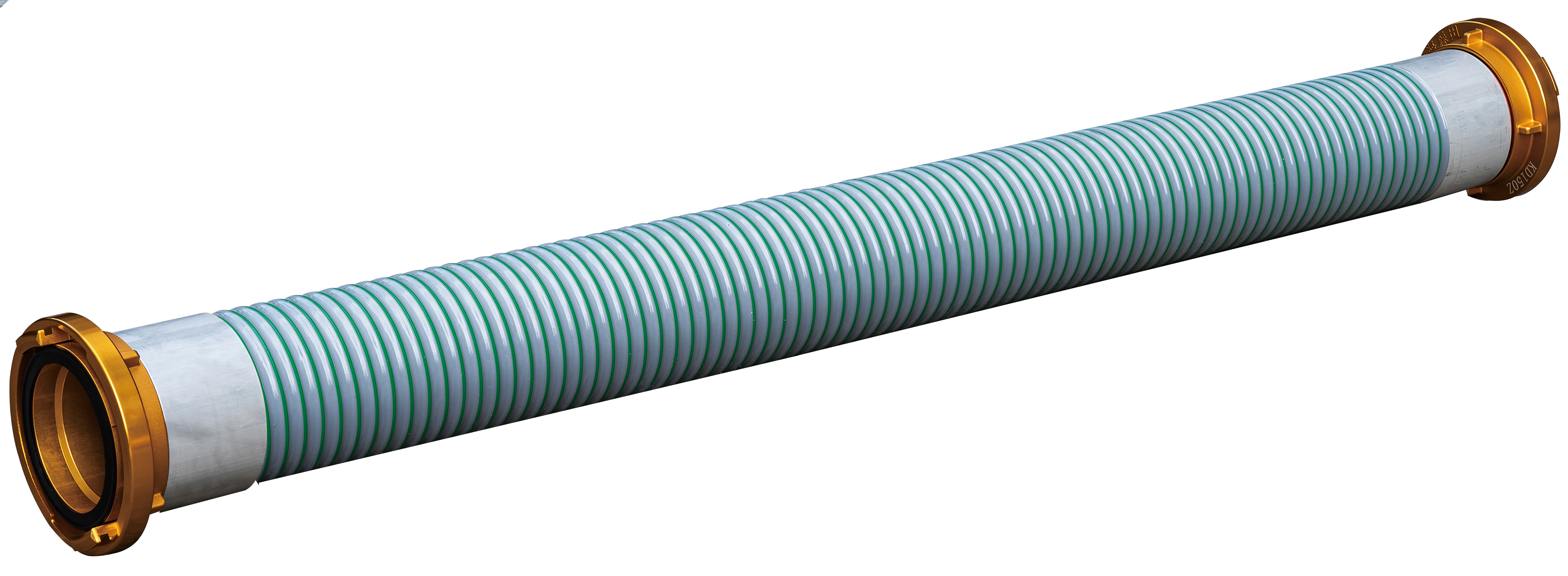
We must examine the specific construction of each material. Understanding the chemical and physical makeup helps inform your decision. Each polymer behaves differently under extreme stress.
Engineers manufacture this using polyvinyl chloride. They reinforce the body using a rigid helix structure. A lightweight PVC suction hose offers distinct operational advantages.
Strengths: It remains highly maneuverable during deployment. Crews experience less fatigue. Manufacturers offer visually transparent options. You can easily monitor water flow visually. This visual confirmation helps pump operators troubleshoot cavitation issues quickly. It requires a lower initial investment. Departments can outfit more apparatuses simultaneously.
Limitations: The material becomes notoriously stiff in freezing temperatures. Firefighters find it difficult to uncouple in winter. It shows a significantly lower threshold for UV degradation. Sunlight exposure weakens the polymer over time. Discoloration indicates severe UV degradation. You must replace degraded polymers before they fail under load.
Manufacturers build this using synthetic or natural rubber compounds. They wrap the rubber around a wire or synthetic textile helix. A durable rubber suction hose stands as the traditional industry standard.
Strengths: It delivers exceptional weather and ozone resistance globally. The material maintains excellent flexibility in extreme cold. Heavy-wall construction actively prevents crushing incidents. It handles being run over by heavy vehicles occasionally. The thick walls absorb blunt impacts easily.
Limitations: It feels incredibly heavy during rapid deployment. Crews find it cumbersome in tight spaces. Improper storage makes it highly prone to dry rot. It demands dedicated maintenance routines. Crews must wash and dry it properly after every use.
This option features extruded polyurethane. The polymer wraps tightly over a rigid reinforcement skeleton. An abrasion-resistant TPU suction hose represents modern materials engineering.
Strengths: It provides a superior strength-to-weight ratio. The outer jacket resists oil and harsh chemicals exceptionally well. It handles mechanical wear far better than older polymers. It often outperforms traditional materials in harsh environments. The smooth outer jacket prevents mud and debris accumulation.
Limitations: It requires a higher upfront procurement commitment. The advanced materials increase initial acquisition budgets. It might be considered overkill for low-frequency drafting operations. Small departments might not see immediate returns on the upgrade.
Comparing these materials directly reveals their true operational limits. We analyze them across three critical performance categories.
Performance Metric | PVC | Rubber | TPU |
|---|---|---|---|
Cold Weather Flexibility | Poor | Excellent | Good |
Abrasion Resistance | Low | High | Superior |
Deployability (Weight) | Excellent | Poor | Excellent |
Rubber wins definitively in extreme cold environments. The compound remains pliable well below freezing. PVC fails consistently in extreme cold. It becomes completely rigid and prone to micro-cracking. Micro-cracks destroy the vacuum seal invisibly. TPU offers excellent all-weather performance year-round. It effectively bridges the gap between older materials. Crews enjoy flexibility without sacrificing durability.
TPU outperforms the rest in rugged terrain. High tensile strength and extreme tear resistance protect the core. Rubber proves highly durable under normal conditions. However, sharp debris can cause deep gouging in rubber. PVC remains highly vulnerable to friction wear. Aggressive dragging over rough concrete degrades it quickly. Friction generates localized heat on the outer jacket. This heat softens the plastic during deployment.
TPU and PVC require fewer personnel for deployment. You can offload and connect them much faster. This speed matters during rapidly expanding incidents. Rubber often requires a two-person team. This ensures a safe drafting setup without causing back injuries. Rubber's heavy nature demands coordinated lifting techniques. You must train your crews accordingly.
Different environments demand different material properties. You must align your equipment with your most common response scenarios.
Urban environments present unique challenges for drafting equipment. You encounter asphalt, concrete, and varied chemical exposures.
Recommendation: Durable rubber.
Why: It survives being dropped repeatedly on hard pavement. Crews frequently drag it across abrasive concrete surfaces. It safely resists exposure to automotive fluids at motor vehicle accidents. The heavy-duty nature matches high-frequency urban use perfectly. City streets contain broken glass and sharp metal fragments. Rubber absorbs these hazards without puncturing the vacuum chamber.
Remote drafting operations push equipment to absolute physical limits. Firefighters face steep terrain and incredibly harsh landscapes.
Recommendation: TPU.
Why: You get maximum abrasion resistance against jagged rocks. It easily slides past dense brush without tearing. It keeps overall pack weight very low. This allows for rapid relocation as fire lines move. Wildland crews cannot afford excess weight in their packs. TPU provides the perfect balance of survival and mobility.
These operations usually happen in controlled, predictable environments. Users deploy equipment in stationary configurations.
Recommendation: Lightweight PVC.
Why: It proves highly efficient for stationary drafting tasks. You can set it up once and leave it. Extreme abrasion is rarely a factor here. Visually monitoring the fluid transfer provides an added operational benefit. Operators detect air pockets before they reach the main pump. This prevents mechanical damage to industrial pumping equipment.
Procuring the right material only solves half the problem. You must implement strict management protocols to ensure longevity.
Ensure your chosen material integrates seamlessly into your fleet. It must fit existing Storz, NST, or Camlock fittings perfectly. Poor attachments cause inner tube delamination over time. Delamination blocks water flow and destroys vacuum integrity completely. Always specify the exact material thickness when ordering new couplings.
Different materials demand very different storage conditions. Rubber requires strict protection from prolonged direct sunlight. UV rays degrade the outer jacket rapidly. Keep rubber away from petroleum pooling in compartment floors. PVC requires flat storage during cold weather months. This prevents permanent "memory" kinks from forming in the plastic. Memory kinks create weak points along the rigid helix. These weak points inevitably collapse under intense negative pressure.
Calculate your replacement cycles carefully based on material choice. A TPU model historically lasts twice as long in high-friction environments. This extended longevity reduces the frequency of department replacements. Tracking failure rates helps justify upgrading to advanced polymers. Document every failure to build a strong procurement case.
Verify your material and assembly meet strict industry standards. They must adhere to relevant NFPA 1961 standards. This ensures total safety for suction and drafting operations. Never deploy non-compliant equipment on an active fireground. Non-compliant gear risks the lives of your firefighters. Always request testing certificates from your chosen manufacturer.
PVC prioritizes baseline utility and reduced weight. Rubber prioritizes extreme temperature tolerance and crush resistance. TPU offers a premium, lightweight, high-durability hybrid solution. You must evaluate your specific operational needs carefully. Never rely on guesswork for life-safety equipment.
Audit your local climate data thoroughly. Review the recent failure rates of your current equipment. If your PVC cracks in winter, upgrade your inventory immediately. Transition to TPU or Rubber for better reliability. Upgrading ensures your pump operators always establish a strong water supply.
Request a material sample from your manufacturer. Consult an equipment specialist to review your fleet. Match specific vacuum ratings directly to your pumper apparatus today. Proper equipment matching guarantees peak performance during major fire incidents.
A: While rated for cold, PVC becomes highly rigid below freezing. It gets incredibly difficult to maneuver or bend. Firefighters struggle to uncouple frozen connections. Rubber or TPU works best for harsh winter operations.
A: Rubber is significantly heavier. Its thick wall and wire helix construction add substantial bulk. It often weighs up to 40% more than comparable TPU materials. This extra weight increases firefighter fatigue during deployment.
A: Yes. If your operation involves frequent drafting in rugged environments, it excels. Dragging equipment across concrete damages weaker materials quickly. The extended lifespan easily justifies the material switch for wildland departments.
A: The couplings themselves remain exactly the same. You still use standard aluminum rocker lugs or Storz connections. However, the attachment method might vary slightly. Banding or expansion rings depend on the specific wall thickness.


