
Views: 0 Author: Site Editor Publish Time: 2025-09-19 Origin: Site
Properly aiming a fire nozzle at the base of a fire is a critical technique for effective firefighting. The base is where the fire originates and has the most intense heat, making it the most important area to address. When water is directed at the base, it interrupts the fire’s fuel source, leading to faster suppression and preventing the flames from spreading.
A well-designed fire nozzle provides the control and flexibility needed to adjust the flow and direction of water. By choosing the right spray pattern and pressure, users can more accurately target the base, maximizing the efficiency of their efforts.
This article will guide you on the best methods for aiming a fire nozzle effectively, ensuring you can safely and efficiently tackle fires at home or in any emergency situation.
Fires need three elements to thrive: heat, fuel, and oxygen (the fire triangle). Fires spread as these elements intensify. Understanding this process is crucial for effectively controlling the fire and stopping its growth.
The base of the fire is where the heat and fuel are concentrated. Aiming water or foam directly at the base interrupts the fire’s source, cutting off its ability to spread. This action is essential for stopping the fire from escalating.
Kitchen Fires: Often involve oils or grease, requiring a low-pressure stream to avoid spreading. Adjustable nozzles work best.
Electrical Fires: Water must be avoided; non-conductive nozzles with fine mist or CO2 are preferred to target the base safely.
Wildfires: High-pressure nozzles with wide spray patterns help saturate and control large, spread-out fires.
Proper nozzle aiming and understanding fire types allow for effective suppression and prevent fires from growing uncontrollably.
Start by standing at a safe distance—typically 6 to 10 feet for small fires—ensuring you can reach the base without being too close. Angle the nozzle downward, aiming directly at the fire's base, where the heat and fuel source are concentrated.
Begin with a lower water flow to avoid pushing the fire’s heat source. Gradually increase the flow as needed, adjusting based on how the fire responds. This controlled approach ensures you don’t exacerbate the situation.
Instead of focusing on one spot, use a sweeping motion to cover the base of the fire. This helps extinguish the entire area more effectively and reduces the risk of flare-ups. Sweep from side to side, maintaining a steady focus on the base.
Maintain a firm grip on the nozzle to counteract recoil. A steady hand ensures accuracy and control, preventing the nozzle from jerking out of your hand. Position your body for stability, ensuring you're in control of the flow at all times.
Using these techniques ensures greater control and effectiveness when aiming a fire nozzle, helping to manage and suppress fires efficiently.
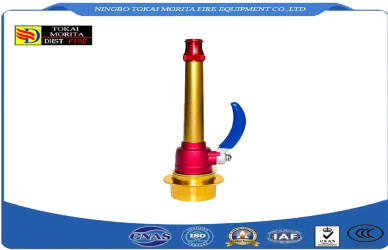
Choosing the correct nozzle for the firefighting task is essential for both efficiency and safety. The spray pattern affects how the water is dispersed, which directly impacts the effectiveness of fire suppression. A nozzle with the right spray pattern ensures that water is applied where it’s most needed, minimizing water wastage and maximizing fire control.
There are two primary spray patterns: concentrated stream and wide spray.
Concentrated Stream: Best used for targeting the base of the fire, especially in situations where you need to penetrate through heavy flames and reach the fuel source. It delivers a high-pressure, focused flow of water that is effective against intense fires, such as small to medium structural fires or wildfires.
Wide Spray: Ideal for more controlled fires or for protecting larger areas, such as during brush or garden fires. The broader spray disperses water over a wider area, helping to cool down the surroundings and prevent fire spread, while still addressing the fire's base.
Adjustable nozzles offer flexibility by allowing users to switch between different spray patterns. These nozzles are perfect for handling various fire scenarios, from small contained fires to large outdoor blazes. By simply adjusting the nozzle, you can quickly change from a focused stream for intense fires to a wide spray for larger coverage. This adaptability ensures that you're always equipped with the right spray pattern for the job at hand, improving efficiency and fire suppression effectiveness.
Choosing the right nozzle and spray pattern is crucial for handling different fire situations. By understanding the strengths of each option, you can ensure a safer, more effective firefighting approach.
When using a fire nozzle, your safety should always be the top priority. Firefighting can be dangerous, and operating a nozzle under pressure requires caution. Always maintain a firm grip and ensure that you’re properly positioned to avoid injury from sudden recoil or unexpected fire behavior. Be mindful of your stance and keep your body protected from heat, flames, or falling debris during the firefighting process.
Before operating a fire nozzle, ensure you’re equipped with the necessary protective gear. This includes:
Gloves: To protect your hands from heat, sharp objects, or debris.
Fire-Resistant Clothing: To minimize the risk of burns in case of flare-ups or sparks.
Face Mask or Respirator: To protect your lungs from smoke inhalation, especially in indoor fires or situations with toxic fumes.
Helmet: A fire helmet can provide head protection and ensure better visibility during the operation.
Firefighting is often unpredictable. While controlling a fire, always stay alert and aware of changes in the fire’s behavior. Make sure you know your escape routes and keep an exit path clear in case the situation escalates. Avoid positioning yourself between the fire and any exits to ensure that you can safely retreat if necessary. Additionally, always be prepared for the possibility of the fire spreading or shifting direction, and keep a safe distance as needed.
A common mistake is aiming too high or too far from the base of the fire. Fires start at the fuel source, so targeting the flames rather than the base wastes water and reduces effectiveness. Always aim at the base to cut off the fire’s fuel and prevent it from spreading.
High water pressure is often used for large fires, but it’s not suitable for smaller ones. Excessive pressure can scatter burning materials and spread the fire. For smaller fires, use a lower pressure to control the spread and focus on the base for best results.
Each fire requires different nozzle settings. A wide spray pattern may be inefficient for a small fire, while a concentrated stream may be too strong for a large fire. Adjust your nozzle settings to match the fire’s size and conditions for better control and efficiency.
Effectively aiming a fire nozzle at the base of a fire is crucial for controlling and extinguishing the blaze. Key points to remember include positioning yourself at a safe distance, adjusting the water flow based on fire size, and using a sweeping motion to cover the base efficiently. Avoid common mistakes like aiming too high or using excessive pressure, as these can hinder your ability to suppress the fire.
The proper handling and aiming of a fire nozzle directly impact firefighting success. By following these guidelines, you ensure a more effective and controlled response, whether dealing with small household fires or larger outdoor blazes. Prioritize safety, and always be mindful of your surroundings to act quickly and efficiently when every second counts.


