
Views: 0 Author: Site Editor Publish Time: 2025-12-20 Origin: Site
Fire safety is a top priority in every industry, especially when it comes to dealing with fires. Fire hose couplings are an essential part of fire-fighting equipment, ensuring that fire hoses can be quickly and securely attached to fire hydrants, pumps, or other water sources during emergencies. However, when looking into fire hose couplings, it’s not uncommon to encounter a wide variety of coupling standards across different regions and organizations.
The question arises: Why are there so many fire hose coupling standards?
In this article, we will explore the reasons behind the multitude of fire hose coupling standards, the importance of these standards, and the role they play in ensuring efficient and safe fire-fighting operations. Additionally, we’ll discuss how the selection of the right coupling system can make a significant difference in emergency response times and overall fire safety.
Fire hose couplings are mechanical devices that allow fire hoses to be easily connected and disconnected to fire fighting equipment, such as hydrants, fire trucks, and water sources. The couplings consist of two main parts: the male coupling (which attaches to the hose) and the female coupling (which attaches to the water supply or fire engine). These parts are designed to be screwed or locked together securely to provide a leak-proof connection, ensuring a consistent water flow for firefighting efforts.
Couplings can be made of various materials such as brass, aluminum, stainless steel, or plastic (for lighter-duty applications), with brass and aluminum being the most common in professional-grade equipment due to their durability and corrosion resistance.
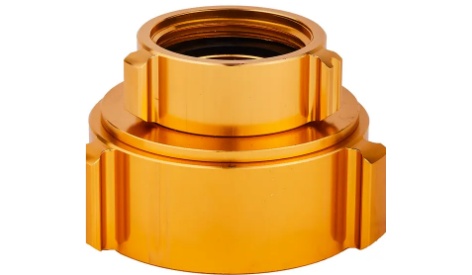
One of the primary reasons for the wide range of fire hose coupling standards is the regional differences in firefighting protocols, needs, and regulatory frameworks. Each country or region has developed its own standards for firefighting equipment, including hose couplings, to suit their specific infrastructure, safety requirements, and operational practices. These regional variations have been driven by historical factors, different fire safety regulations, and unique challenges faced by each region in terms of fire protection.
The United States
In the United States, the most commonly used fire hose coupling standard is the National Standard Thread (NST) or Fire Hose Thread (FHT). This system is designed specifically for U.S.-based firefighting equipment, including fire trucks, hydrants, and hoses. The U.S. system uses a threaded connection that ensures a secure seal during firefighting operations. Its widespread use across the country makes it an essential part of the firefighting infrastructure, though it can pose challenges when trying to interface with equipment from other regions.
Europe
In contrast, Europe generally adopts the European Fire Hose Coupling (Storz) system, which features a twist-lock mechanism. This system is preferred in many European countries because it allows for a quick, secure connection without the need to screw the parts together, which is ideal in high-pressure situations. The Storz coupling system is particularly advantageous for rapid deployment, minimizing the time required to establish a water supply during firefighting operations.
The United Kingdom and Other Countries
The United Kingdom follows the British Standard Thread (BSPT) system for its fire hose couplings, while countries like Australia and Canada also have their respective standards, tailored to their local fire safety regulations and needs. For instance, Australia’s system is similar to the British, but with some modifications to fit their specific fire safety protocols.
The fire-fighting landscape is also influenced by local equipment configurations and practices, which leads to different coupling systems. Different fire services may have unique firefighting techniques, water supply systems, and hose designs, each of which necessitates a different coupling system.
For instance:
High-pressure systems might require stronger, more durable couplings with threads that can handle the pressure, while low-pressure systems may only need a simpler, lighter coupling design.
In industrial settings, where fire hydrants and water sources can vary greatly, fire hose couplings are designed to be more adaptable and capable of dealing with various hose sizes, pressure levels, and water sources.
As firefighting technology advances and new equipment is developed, standards continue to evolve, creating additional variations in hose coupling systems. The constant changes in fire safety practices worldwide contribute to the ongoing development of new coupling standards.
The ability to rapidly connect fire hoses to water sources or firefighting equipment is crucial during emergencies. In some regions, quick-connect couplings are a priority for reducing response times. This has led to the development of coupling standards that focus on quick-attachment mechanisms, such as the Storz coupling with its twist-lock mechanism that allows firefighters to quickly connect hoses without the need for threading.
In contrast, other regions prioritize secure threading systems, where couplings are screwed into place to prevent accidental disconnection during high-pressure operations. The differences in firefighting protocols and equipment have led to the development of specialized couplings that suit each specific requirement, further adding to the variety of standards in use.
Fire hose couplings need to be compatible with a wide range of firefighting equipment, including pumps, fire engines, hydrants, and even water tanks. As a result, different standards have been developed over the years to ensure that couplings can effectively work across all types of firefighting systems, regardless of the brand, type, or model.
For example, Storz couplings are commonly used in Europe because they are designed to provide a quick and secure connection with a wide range of fire trucks, hydrants, and hoses in different configurations.
On the other hand, threaded couplings like the NPT (National Pipe Thread) are commonly found in regions where the need for universal compatibility with existing infrastructure outweighs the desire for speed in making connections.
This need for universal compatibility across diverse firefighting equipment also drives the creation of different standards to ensure seamless operations.
Many countries still adhere to historical standards due to legacy equipment that is still in use. In some cases, older fire trucks, hydrants, or water pumps may have been designed to work with a specific coupling system, making it necessary to maintain those systems even as new technologies emerge. The widespread use of these legacy systems means that many regions are slow to adopt new coupling technologies, further contributing to the proliferation of standards.
While the various coupling standards are essential for accommodating different local needs, they also create certain challenges:
Interoperability Issues: In international firefighting efforts or mutual aid situations, the lack of standardization can lead to incompatibility between fire hose systems, making it difficult to connect equipment across borders. This can slow down emergency response times and reduce the effectiveness of firefighting efforts.
Increased Complexity: The existence of multiple coupling standards means that firefighting organizations and manufacturers must manage a wide array of equipment and ensure that they have the right couplings for each type of firefighting situation, adding complexity to operations.
Training and Maintenance: Firefighters must be trained to use various coupling systems, and they must be familiar with the equipment compatible with each system. Additionally, the need for maintenance of different coupling types can increase the costs for fire departments, as they must keep stock of parts for multiple systems.
The vast array of fire hose coupling standards around the world is the result of a combination of factors, including regional needs, historical legacy, firefighting practices, and compatibility issues. These standards have been developed to meet the specific demands of each region, but they can create challenges in terms of interoperability and training. Despite these challenges, the continued evolution of fire safety equipment and coupling standards ensures that fire departments are equipped with the tools they need to protect lives and property effectively.
At www.nbdhst.com., we are committed to providing high-quality fire safety solutions, including reliable fire hose couplings that meet global standards. Our products are designed for durability, efficiency, and compatibility, ensuring that your firefighting efforts are swift and effective.
1. Why do different regions have different fire hose coupling standards?
Different regions have developed their own standards due to local firefighting practices, environmental conditions, and historical equipment. These standards ensure that fire departments have the tools necessary to handle specific challenges in their area.
2. What are the benefits of Storz couplings?
Storz couplings are designed for quick-connect functionality, allowing firefighters to rapidly and securely connect hoses to water sources, reducing response times in emergency situations.
3. How do fire hose couplings impact firefighting operations?
While fire hose couplings are essential for ensuring water flow during emergencies, the lack of standardization across regions can cause interoperability issues and increase complexity for fire departments.
4. Can different fire hose coupling systems be used together?
In general, fire hose coupling systems are not interchangeable across different standards, but adapters and conversion kits are sometimes available to connect incompatible systems in emergency situations.


