
Views: 0 Author: Site Editor Publish Time: 2025-12-26 Origin: Site
When it comes to firefighting, one of the most critical tools at a firefighter's disposal is the fire nozzle. It is the device that controls the direction, flow, and pattern of the water (or other fire suppression agents) that is deployed to combat a fire. Among the various factors influencing firefighting effectiveness, the choice of spray pattern—whether jet or fog—can greatly affect the outcome of the operation. Understanding these two main spray patterns and their applications is essential for ensuring the safety and efficiency of firefighting efforts.
In this article, we will explore the basics of fire nozzle spray patterns, focusing on the differences between the jet and fog patterns, their respective advantages and disadvantages, and when each is best used. Additionally, we will discuss the key considerations when choosing the appropriate fire nozzle for specific firefighting situations.
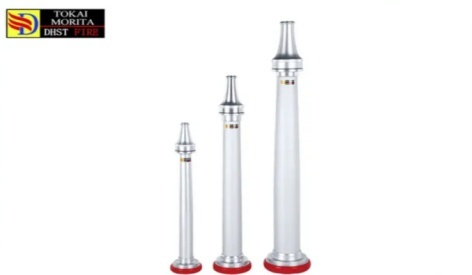
A fire nozzle is an attachment to a hose that directs the flow of water or foam at a fire. It plays a crucial role in managing the water's flow and distributing it in a controlled manner to combat flames effectively. Fire nozzles are equipped with various mechanisms to adjust the spray pattern, which can range from a solid jet to a wide fog. The nozzle can be adjusted to achieve the desired spray pattern depending on the type of fire, the surrounding environment, and the firefighting objective.
Fire nozzles are commonly designed with the following key features:
Flow Control: Regulates the amount of water discharged.
Pattern Adjustment: Allows the operator to change between jet, fog, or a combination of spray patterns.
Pressure Control: Some nozzles include pressure adjustment features to handle varying water supply conditions.
Fire nozzles can produce two primary spray patterns: the jet pattern and the fog pattern. Each pattern has specific uses depending on the type of fire and the surrounding environment. Understanding the differences between these patterns is crucial for firefighting success.
The jet pattern, also known as the straight stream, focuses the water into a solid, high-pressure stream that is designed to reach distant fires with force. This pattern is particularly useful when firefighters need to apply water over a long distance or penetrate deep into the fire to extinguish it at its source.
Advantages of the Jet Pattern:
High Reach and Penetration: The concentrated stream can reach high into the air and travel long distances, making it ideal for tackling fires at a distance or in hard-to-reach areas.
Targeted Application: The jet pattern is excellent for targeting specific spots in the fire, such as the base of a flame or the heart of a blaze.
Efficient for External Fires: The jet pattern is most effective for fighting fires on open land or in outdoor spaces where wind or external conditions do not hinder the flow.
Disadvantages of the Jet Pattern:
Limited Cooling Effect: Unlike fog, which disperses water into fine droplets, the jet pattern offers less cooling, which may be necessary for reducing heat around the fire.
Risk of Spread: The focused pressure may push flames or hot gases in the direction of other combustibles, potentially spreading the fire.
Lack of Coverage: The jet pattern does not provide widespread coverage, which can make it less effective in some indoor environments where a broader coverage area is required.
The fog pattern, on the other hand, disperses water in a fine mist or spray, increasing the surface area of water exposed to the fire. This spray pattern is highly effective for cooling and controlling fire spread. When the nozzle is adjusted to produce a fog pattern, the water droplets are spread over a larger area, providing a greater cooling effect and reducing the heat in the surrounding environment.
Advantages of the Fog Pattern:
Cooling Effect: The fog pattern is ideal for cooling the air and reducing the temperature around a fire. This is particularly beneficial in situations where controlling heat is essential.
Wide Coverage: The mist can cover a large area, making it useful for extinguishing fires that have spread over a wide space.
Safety and Protection: The fog pattern provides a layer of water vapor that can protect firefighters from intense heat while they work closer to the fire.
Control of Fire Spread: The fine mist can also help suppress the movement of flames, especially in confined spaces.
Disadvantages of the Fog Pattern:
Reduced Penetration: The dispersed mist has less force than the jet pattern, meaning it cannot penetrate deep into large fires. This makes it less effective in large, deep, or entrenched fires.
Wind Sensitivity: The fine droplets produced by the fog pattern are more susceptible to wind, which can cause them to be blown away from the target area.
Water Waste: The fog pattern tends to use more water than the jet stream, as the mist increases the water's surface area without necessarily increasing its effectiveness in some situations.
Both jet and fog patterns have distinct advantages, but selecting the appropriate one depends on the specific firefighting situation. Here are some key considerations for choosing between the two patterns:
Long-Distance Fires: The jet pattern is the best choice when the fire is at a distance, such as in forest fires or large outdoor blazes. The strong stream can reach the fire from a far distance, minimizing exposure to the dangerous environment.
Fire Suppression at the Source: If the fire is concentrated in a specific area, such as a room or section of a building, the jet pattern’s focused water stream can be directed precisely at the fire’s base, helping to extinguish it at its source.
Water Conservation: The jet stream delivers water with a high velocity and less volume, making it effective in situations where water conservation is critical.
Heat Control: The fog pattern is preferred when heat needs to be reduced rapidly. The mist helps cool the air, making it easier for firefighters to approach and suppress the fire.
Fire Spread Prevention: The fog pattern is ideal when trying to prevent the fire from spreading. Its wide coverage and cooling effect can create a barrier between the fire and surrounding areas.
Interior Fires: In confined spaces such as buildings, where controlling the fire’s heat and smoke is critical, the fog pattern can help mitigate dangerous conditions for both the firefighters and civilians.
Modern fire nozzles come equipped with advanced features to improve firefighter safety and efficiency. Some fire nozzles allow firefighters to switch between jet and fog patterns with a simple adjustment. This versatility makes them highly adaptable in dynamic firefighting situations where conditions can change rapidly.
Other innovations in fire nozzle technology include:
Automatic Pattern Adjustment: Some nozzles automatically adjust the spray pattern based on water pressure or the nature of the fire.
Integrated Foam Delivery: Many modern nozzles can be used with foam agents, enhancing their ability to suppress chemical fires or fires involving flammable liquids.
Ergonomic Designs: Lightweight materials and ergonomic handles make it easier for firefighters to handle the nozzle for extended periods without experiencing fatigue.
Fire nozzles are integral to effective firefighting, and understanding the different spray patterns—jet and fog—is essential for selecting the right nozzle for the job. Whether it is the focused power of a jet stream for long-distance attacks or the wide coverage and cooling effect of the fog pattern for heat control and spread prevention, each pattern has its unique benefits.
At www.nbdhst.com, we specialize in high-performance fire nozzles designed for a variety of firefighting situations. Our advanced nozzle technology provides firefighters with the versatility and reliability they need to protect lives and property. To learn more about our range of fire nozzles and how they can enhance your firefighting efforts, feel free to contact us.
Q1: What is the main difference between jet and fog fire nozzle patterns?
Answer: The main difference lies in the spray distribution. Jet nozzles produce a concentrated stream of water for long-distance application, while fog nozzles disperse water in a fine mist for broad coverage and cooling.
Q2: When should I choose a fog nozzle over a jet nozzle?
Answer: The fog nozzle is ideal when you need to cool the area, prevent the fire from spreading, or suppress a fire in confined spaces. It's particularly useful for interior firefighting and heat control.
Q3: Can modern fire nozzles switch between jet and fog patterns?
Answer: Yes, many modern fire nozzles allow firefighters to easily switch between jet and fog patterns, offering greater flexibility in dynamic firefighting situations.
Q4: How do fire nozzles contribute to firefighter safety?
Answer: Fire nozzles with fog patterns provide a cooling barrier around firefighters, reducing the heat they are exposed to. Additionally, ergonomic designs make the nozzles easier to handle, reducing fatigue during prolonged use.


