
Views: 0 Author: Site Editor Publish Time: 2025-12-30 Origin: Site
A fire hydrant system is a critical part of fire safety infrastructure, providing a reliable water supply to firefighting personnel during emergencies. Fire hydrants are strategically placed throughout urban and rural areas, enabling quick access to water for controlling fires. The system is designed to be efficient, accessible, and durable, ensuring that firefighters can work effectively and safely when responding to fire-related incidents.
The proper operation and maintenance of fire hydrant systems are essential for public safety, and understanding the key components of these systems is crucial for anyone involved in fire safety, urban planning, or emergency management. In this article, we will explain the components of a fire hydrant system, how they function, and the role they play in firefighting. Whether you're a firefighter, engineer, or someone interested in fire safety, this guide will give you a comprehensive understanding of how fire hydrants work.
A fire hydrant system is a network designed to provide water to fight fires. These systems typically consist of underground piping, valves, and a hydrant itself. Fire hydrants are essential for allowing firefighters to access a water supply quickly and efficiently. Depending on the area, a fire hydrant system can be connected to municipal water lines, water tanks, or natural water sources.
The purpose of a fire hydrant system is simple: it provides emergency access to water so that firefighters can extinguish fires before they spread uncontrollably. Hydrants are typically located on streets, parking lots, or other areas where fires are most likely to occur, and their placement is strategic to ensure quick access during an emergency.
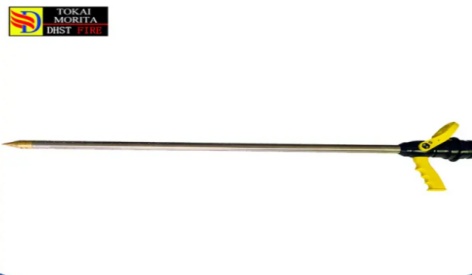
A fire hydrant system is made up of several interconnected components, each playing a specific role in providing firefighters with the water they need to control fires effectively. Here are the primary components:
The fire hydrant valve is the control mechanism that regulates the flow of water from the hydrant. When a fire occurs, firefighters open the valve to release water from the system. The valve is usually controlled by a spindle, which can be turned to open or close the valve. These valves are typically designed to be robust and easy to operate, even in extreme conditions, ensuring that firefighters can access water quickly during an emergency.
The valve is typically housed within the body of the hydrant, and it has a shut-off mechanism to stop the flow of water once the fire has been controlled or when the hydrant is no longer in use. This shut-off feature ensures that water is only used when necessary, preventing wastage and maintaining water pressure throughout the system.
The body of a fire hydrant is the primary structure that houses the valve, pipe connections, and other internal components. It is designed to be durable and resistant to wear, as it must withstand harsh environmental conditions such as extreme temperatures, corrosion, and physical damage from vehicles or other objects.
Typically made from cast iron or steel, the body of a fire hydrant is built to last for many years. The exterior of the hydrant features markings that indicate the size and type of the hydrant, as well as any important information, such as pressure ratings and maintenance requirements.
The fire nozzle is the point at which firefighters connect hoses to the hydrant to receive water. A standard fire hydrant has multiple nozzles, typically one large nozzle for high-volume water flow and one or more smaller nozzles for smaller hoses or water lines. These nozzles are designed to be compatible with a wide range of firefighting equipment and are essential for directing water flow to the right area.
The nozzle is fitted with a threaded connection that matches the threads of a fire hose coupling, allowing for quick and secure connections. The design of the nozzle and its connection system ensures that water is delivered at a high pressure and with a sufficient flow rate to fight fires effectively.
A key feature of fire hydrants is their drainage system. After the hydrant is used, excess water needs to be drained from the system to prevent freezing in colder climates and to maintain pressure within the network. The drainage system typically consists of drainage holes at the base of the hydrant, which allow water to drain out after use.
In areas where freezing is a concern, hydrants may be equipped with an anti-freeze system, such as a drain valve that allows water to be quickly evacuated from the hydrant after it is used. This system helps prevent damage to the hydrant during the winter months, ensuring that it remains operational year-round.
The hydrant cap, also known as the plug, is an essential part of the fire hydrant that seals the nozzles when the hydrant is not in use. This cap prevents contaminants, dirt, and debris from entering the nozzles, ensuring that the water delivered to the hose is clean and safe for firefighting.
The cap is typically made from metal or durable plastic and can be easily removed by firefighters when they need to connect the hoses. Depending on the design of the hydrant, the cap may require a special tool to remove it or may feature a simple twist-off design.
The water distribution network is the system of pipes that connects the hydrants to the main water source. In most cases, fire hydrants are connected to the municipal water supply, which delivers water from a local reservoir, water treatment plant, or other sources. The water distribution network ensures that sufficient water pressure is available at each hydrant, allowing firefighters to access water with minimal delay.
The distribution network is typically a high-pressure system that ensures that hydrants in areas with higher elevations or larger buildings can still provide the necessary flow rates and pressure levels.
A pressure relief valve is used in some fire hydrant systems to ensure that water pressure remains consistent and within safe limits. This valve automatically adjusts the pressure in the system to prevent overpressure, which can lead to ruptures in pipes or damage to other components of the system.
This valve is typically placed in the main supply line, where it can monitor water pressure and make adjustments as needed. The use of pressure relief valves ensures the long-term durability and safety of the hydrant system.
Fire hydrant systems are essential for controlling fires, particularly in urban environments. By providing a reliable, easily accessible water source, these systems enable firefighters to tackle fires quickly and efficiently. The ability to connect to hydrants provides immediate access to water in critical situations, giving firefighters the resources they need to protect people and property.
In addition to providing water, fire hydrants also contribute to public safety by maintaining water pressure and ensuring that firefighting efforts are not hindered by equipment failure. Proper maintenance of fire hydrant systems is essential to ensure that they are always ready to perform when needed.
Fire hydrants are a vital part of our infrastructure, providing the necessary water supply to fight fires quickly and effectively. Understanding the components of a fire hydrant system helps us appreciate their importance in public safety and underscores the need for proper maintenance and inspection to ensure they function optimally.
From the hydrant body and valve to the nozzle and drainage system, each component plays an essential role in ensuring the success of firefighting efforts. Whether you're involved in urban planning, fire safety, or infrastructure management, knowing the function and care of fire hydrants is essential.
If you’re looking to learn more about fire hydrant systems and ensure your equipment is up to standard,www.nbdhst.com. provides valuable insights and solutions to improve your fire safety infrastructure.
Q: What is the purpose of the fire hydrant nozzle?
A: The fire hydrant nozzle is where firefighters connect hoses to access water. It allows water to be transferred efficiently from the hydrant to the hose for firefighting operations.
Q: How does a pressure relief valve in a fire hydrant system work?
A: A pressure relief valve automatically adjusts the water pressure in the system, preventing overpressure that could damage the hydrant or other components of the water supply system.
Q: Why is maintenance important for fire hydrants?
A: Regular maintenance ensures that fire hydrants are operational during emergencies. It involves checking the hydrant's components for wear and tear, ensuring proper water pressure, and cleaning the nozzles and valves.
Q: How often should fire hydrants be inspected?
A: Fire hydrants should be inspected at least once a year to check for any damage, blockages, or wear. In areas with cold weather, more frequent checks may be necessary to ensure the system doesn’t freeze.


